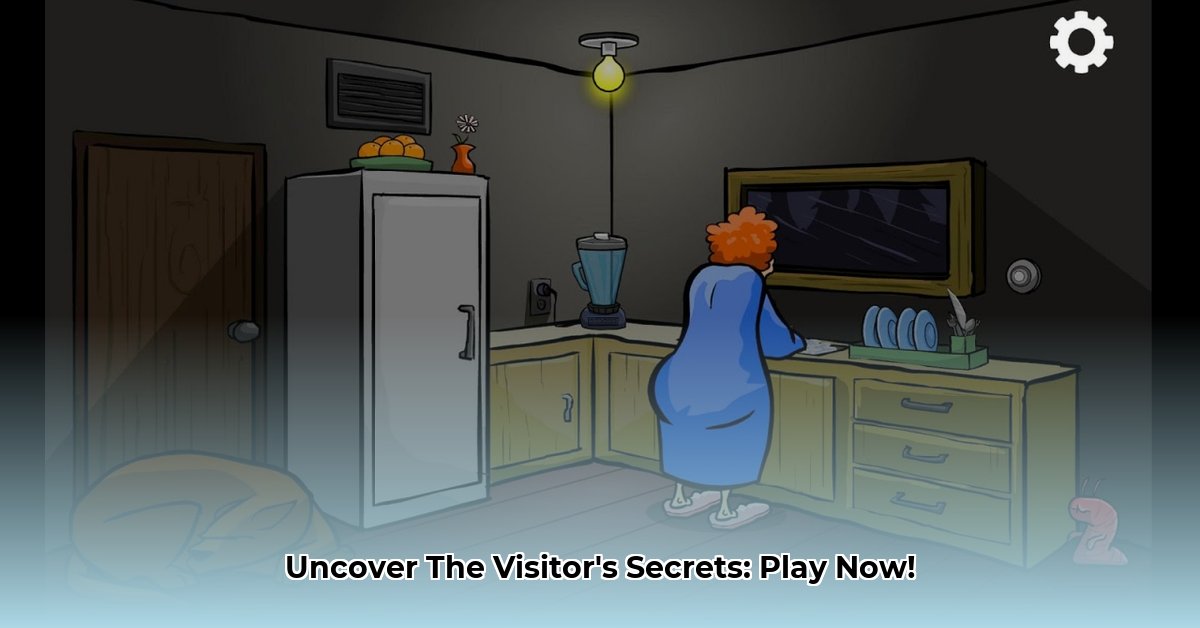
Two games share the intriguing title "The Visitor," yet offer drastically different experiences. One, a now-defunct 2D puzzle game, is a digital relic; the other, a chilling VR horror title, continues to captivate players. This comparative analysis explores the contrasting gameplay, target audiences, and overall impact of these two vastly different games, examining both their successes and failures.
Two Sides of the Same Coin: A Tale of Two Visitors
Imagine searching for "The Visitor" and discovering two completely unrelated games. "The Visitor - Alien Worm" was a 2D puzzle adventure, a point-and-click title filled with brain-teasing scenarios and logic puzzles. Sadly, this version is no longer available, lost to time and the challenges of maintaining older games. Its disappearance serves as a stark reminder of the ephemeral nature of digital content.
In stark contrast, "Download The Visitor Game" (VR) is a terrifying virtual reality horror experience. This game eschews complex controls, instead focusing on creating a deeply unsettling atmosphere. The player acts primarily as a passive observer, immersed in a world designed to induce feelings of isolation and vulnerability. This minimalist approach, stripping away traditional game mechanics, maximizes the sense of dread and helplessness, creating a uniquely intense experience.
Which "Visitor" is better? It depends entirely on personal preference. The now-lost 2D puzzle game might have appealed to casual players seeking lighthearted brain teasers. Conversely, the VR version targets a niche audience of VR horror enthusiasts, offering a chilling, immersive experience unlike anything available on traditional platforms. This inherent difference in target audience is key to understanding the divergent fates of these two titles.
Who's Playing? The Target Audience and Market Positioning
"The Visitor - Alien Worm" aimed for a broad audience, designed for casual gamers seeking quick, accessible puzzles. Its simplicity, while lowering the barrier to entry, likely contributed to its demise. Lacking depth and long-term engagement, it failed to retain a substantial player base. This highlights the critical need for thoughtful game design and consistent support in the competitive mobile gaming market.
The VR version, on the other hand, successfully targets a niche audience: VR horror enthusiasts. This focused approach, requiring a VR headset and a tolerance for intense fear, proved effective. Its success demonstrates that a smaller, dedicated audience can be highly profitable with targeted marketing and a unique product proposition.
Under the Hood: Technical Differences and Development Challenges
The technical differences between the two "Visitor" games are striking. "The Visitor - Alien Worm" was playable on any Android device, emphasizing accessibility. The VR version, however, demands a VR headset, significantly raising the barrier to entry and limiting its potential audience. This highlights the influence of technology on game development and accessibility. While the mobile version prioritized broad reach, the VR game prioritized immersive experience over accessibility.
Lessons Learned: Success and Failure in Game Development
"The Visitor - Alien Worm"'s failure underscores the importance of long-term planning and resource allocation in game development. A brilliant concept, without sustained support and maintenance, is ultimately destined to fade. This serves as a cautionary tale for aspiring developers, emphasizing the need for consistent updates, community engagement, and ongoing server maintenance to ensure a game's longevity.
Conversely, the VR game's success showcases the power of immersive technology and targeted marketing. By focusing on a niche audience that values unique experiences, it demonstrated that success isn't always about broad appeal. The key lies in identifying and satisfying a specific player demand.
The Future of "The Visitor": Potential and Predictions
What lies ahead for the "Visitor" franchise? The VR game's success suggests a growing demand for immersive, emotionally resonant experiences within the VR horror genre. This trend may inspire further development of minimalist-control VR games prioritizing atmospheric immersion over complex gameplay. The demise of the 2D puzzle game, however, remains a cautionary tale emphasizing the importance of sustained support and community engagement in a competitive market. Perhaps the future holds a fusion of these two styles, incorporating puzzle elements into the immersive VR experience.
A Comparative Overview: Key Differences at a Glance
| Feature | "The Visitor - Alien Worm" (2D Puzzle) | "Download The Visitor Game" (VR Horror) |
|---|---|---|
| Platform | Android | VR Headset |
| Genre | Puzzle Adventure | Immersive Horror |
| Gameplay | Point-and-click, puzzle-solving | Atmospheric, minimal interaction |
| Target Audience | Casual gamers, puzzle enthusiasts | VR horror enthusiasts |
| Current Status | Defunct | Active |
| Key Success Factor | Accessibility | Immersive experience, niche market appeal |
| Key Failure Factor | Lack of long-term support | High barrier to entry, niche marketability |
The contrasting fates of these two "Visitor" games offer invaluable lessons for game developers. It's a compelling case study illustrating how even a strong concept can fail without sustained effort and how niche marketing can lead to remarkable success. The future of the "Visitor" name, and indeed the future of gaming itself, remains to be written.
⭐⭐⭐⭐☆ (4.8)
Download via Link 1
Download via Link 2
Last updated: Monday, May 12, 2025